
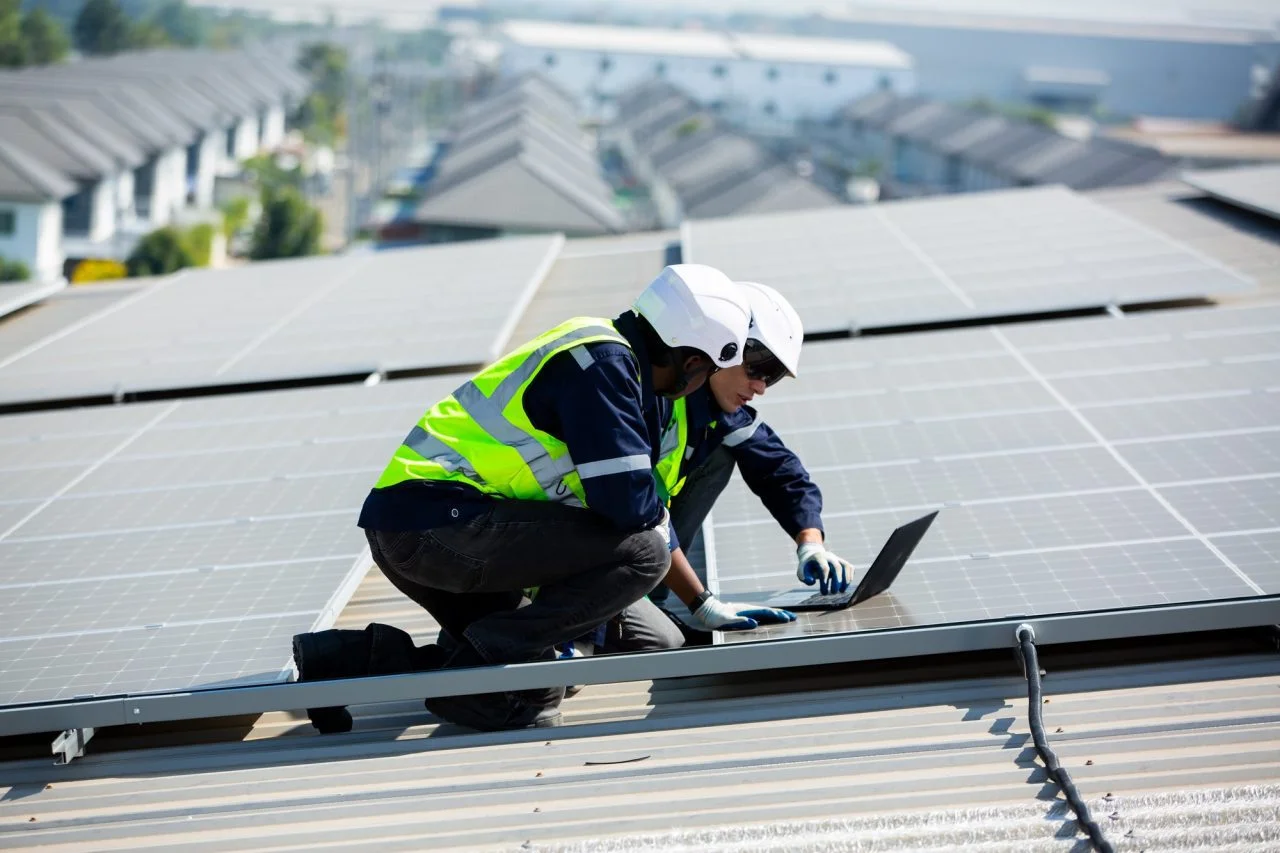
Traditional rooftop panels requiring space, permits, and upfront installation costs.
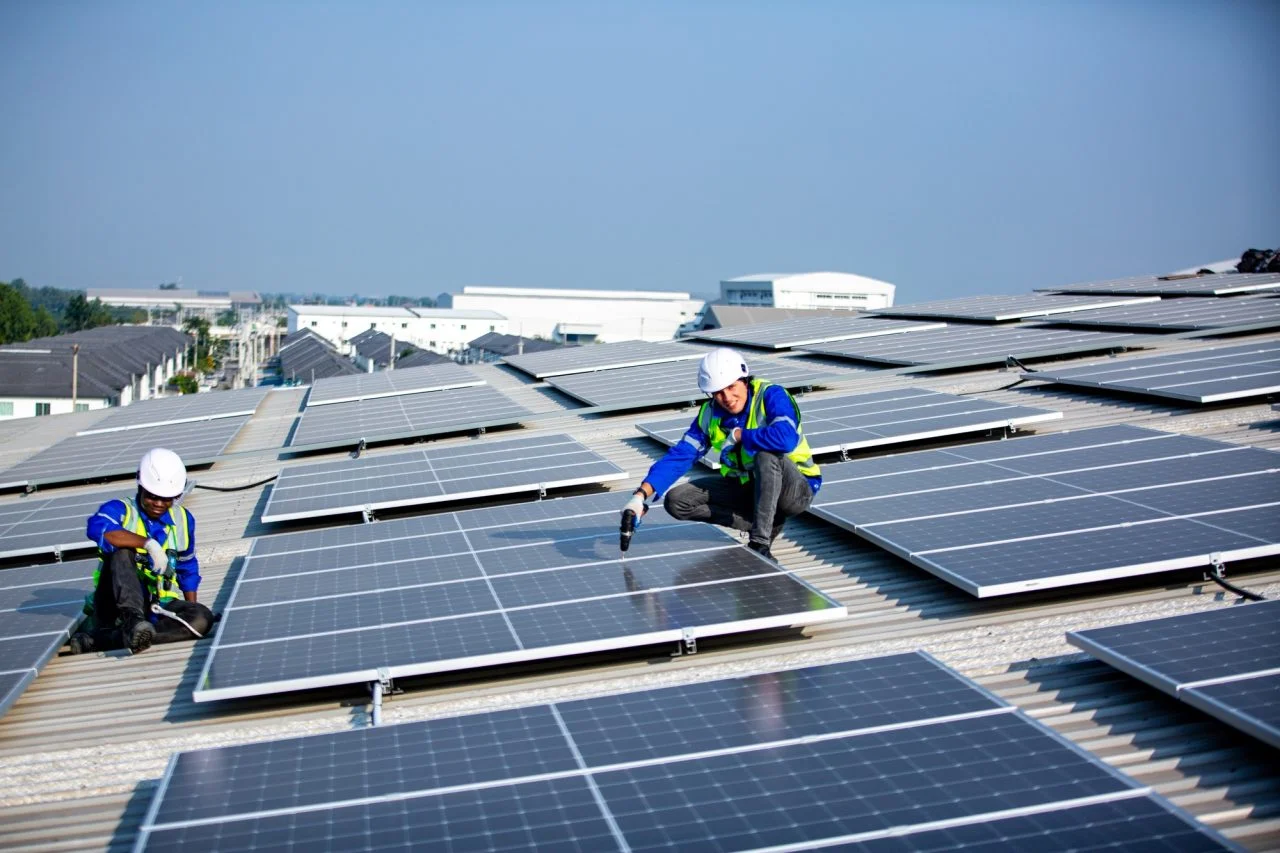
Large-scale rooftop systems powering business operations and reducing overhead expenses.
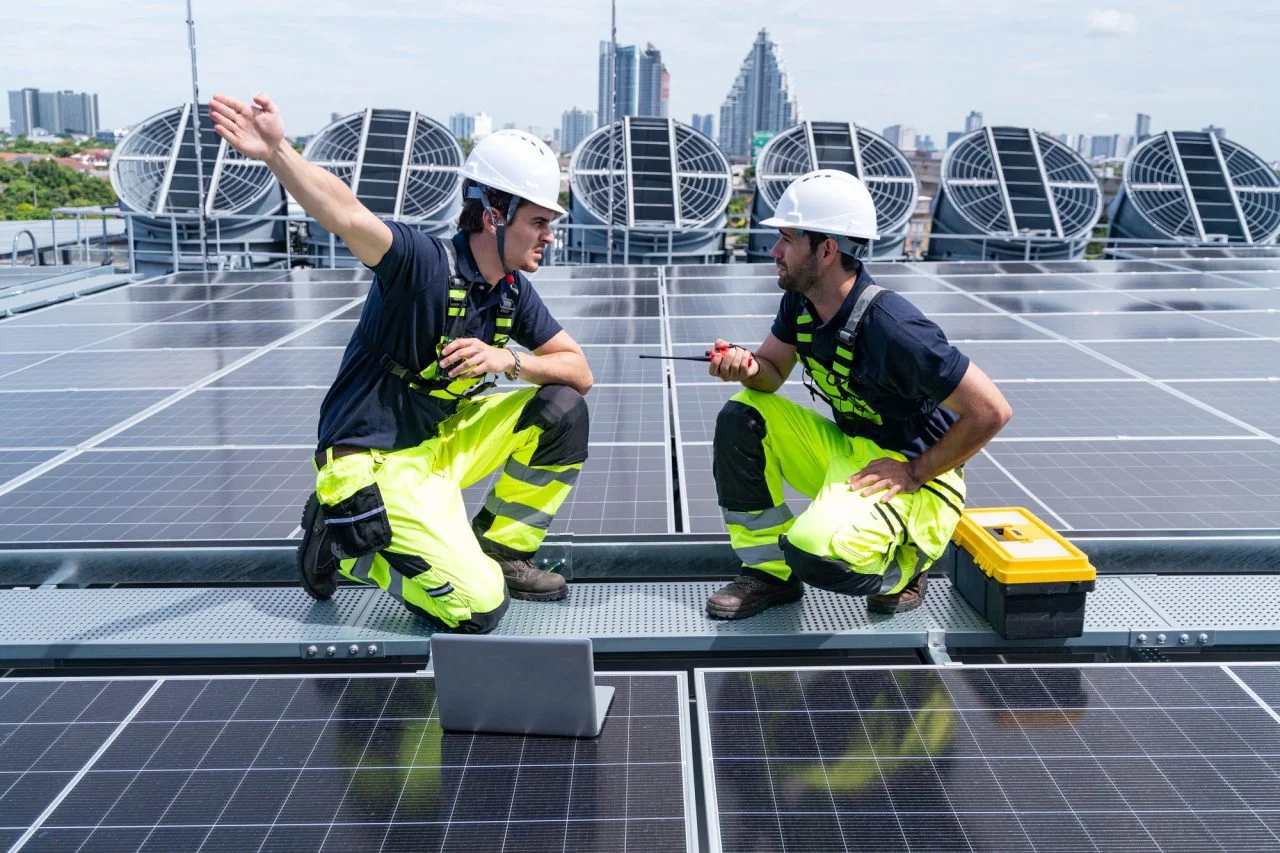
Heavy-duty solar arrays designed for high-energy industrial and manufacturing facility needs.

Elevated solar canopies generating power while providing shaded vehicle parking below.

Ground-mounted solar farms built across open land, generating community-wide clean energy.

Combined green roofing and solar systems supporting sustainability and energy generation together.
Savings vary by location and utility provider, but most customers see a percentage reduction on their monthly electric bill through solar credits, often adding up to meaningful savings over the course of a year.
No, community solar is a legitimate, regulated program available in many states. It allows customers to benefit from solar energy without installation, though it's important to enroll through a trusted, transparent acquisition partner like AFO.
Yes. Since community solar for renters requires no rooftop installation or homeownership, tenants can enroll just as easily as homeowners, making it one of the most accessible clean energy options available today.
Typically, you'll need a recent utility bill or account number to confirm eligibility. Our enrollment process is designed to be simple, requiring minimal paperwork so you can start saving as quickly as possible.
Switching is simple. Enroll through AFO by providing basic utility account details, and once approved, you'll automatically begin receiving solar credits on your existing electric bill, with no equipment or installation required.
No. Community solar requires no rooftop installation at all. You simply enroll and receive credits from a shared local solar farm, making it accessible even if your roof isn't suitable for traditional panels.
Community solar allows you to receive bill credits from a shared solar project without installing panels, while rooftop solar requires equipment on your property and a larger upfront investment.
Contract lengths vary by program, but many community solar agreements are flexible, with no long-term commitment required and the ability to cancel without penalty if your circumstances or address change.
A solar farm is a large collection of solar panels installed in an open area that generates clean electricity and is distributed to the local grid, allowing nearby customers to subscribe and receive bill credits.
Most community solar programs allow you to transfer your subscription to a new address within the same utility territory, or simply cancel with no penalty, since there are no physical panels tied to your home.